Build an H-1B worksite file that proves address, worker, and pay match
A defensible H-1B worksite file proves the address is operating, the worker is there, and the pay matches the LCA.
| By | The Petition File — Newsroom |
|---|---|
| Filed | 15 September 2026 |
| Read | 3 MIN |
The deadline is the field check
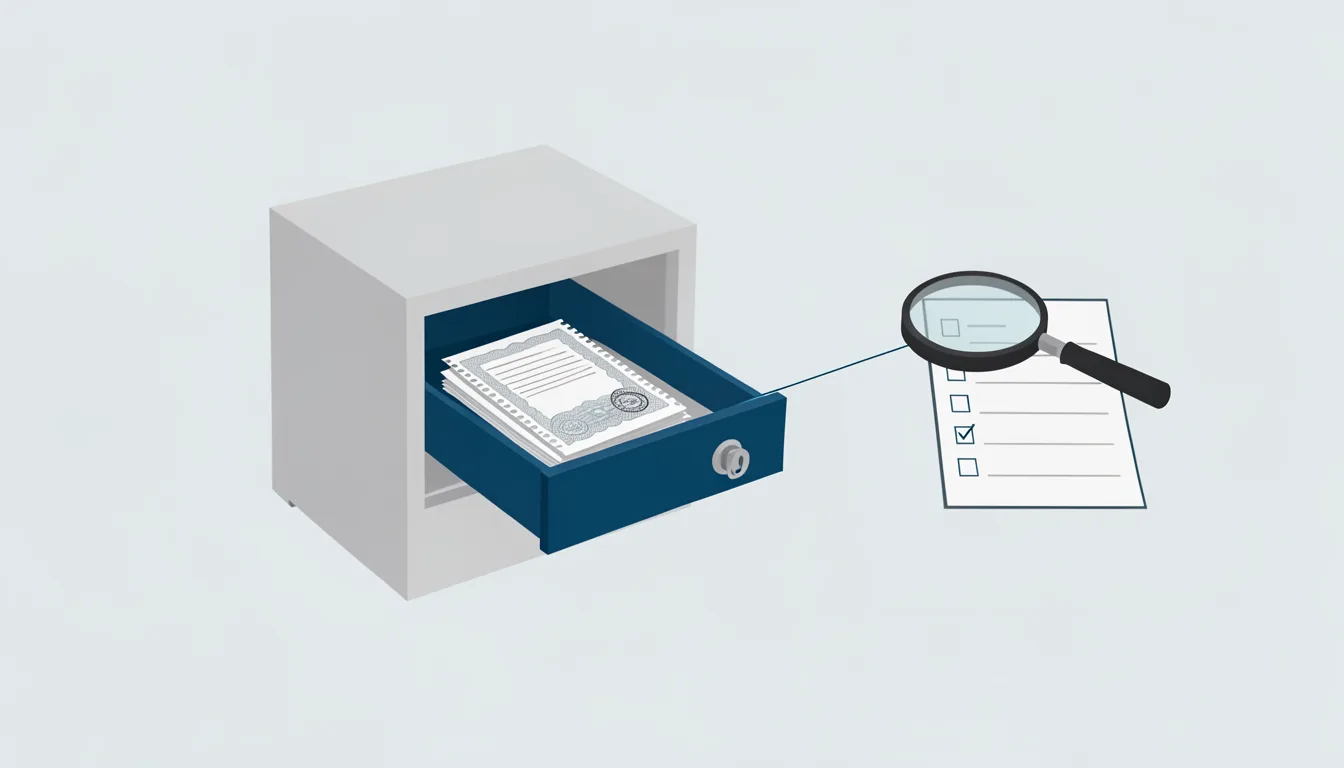
The field check is the deadline. When DOL investigators arrive at the listed worksite, they test whether the H-1B petition describes a real place, a real worker, and a real job. The rule is that the file must prove the address is operating, the worker is actually there, and the pay and duties match the LCA. The workaround is to build that file before any field check, not after.
The Dallas checks are part of a broader DOL OIG anti-fraud campaign that began in July 2026 in coordination with the White House Task Force to Eliminate Fraud. During the week of August 13, 2026, DOL Inspector General Anthony P. D’Esposito went to Dallas to confer with regional audit and investigations teams. Investigators went from office to office in a multi-story building associated with more than 500 approved H-1B applications. During the Dallas checks, many offices had locked entrances, unlit interiors, and minimal signs of active operations.
In the Dallas field checks, investigators test whether the employer named in an H-1B petition is actually operating at the listed worksite. The same checks also test whether the H-1B worker is truly employed and working at the petition-listed location. Investigators can also compare the worker’s pay, job duties, and employer-employee relationship with the details filed with USCIS.
The check starts with the address
The address issue is whether the listed worksite is operating. A defensible file shows the employer has a right to be there and that the space is active. If the space looks inactive, the file needs to show activity. Settle the address before the check begins.
The address file must show the right to occupy a leased office, the portion of a shared suite the employer uses, and, for a third-party placement, that the client site is real and the employer controls the role.
The worker and payroll file proves the job
Presence is the worker test. The file needs to show the employee is actually at the listed address, not merely assigned there. It should also identify who directs the work, who reviews performance, and who controls the day-to-day tasks.
For a remote worker, state the arrangement and show it is consistent with the petition. For an on-site worker, show the site is the one listed. If the worker moves, document that the move was managed.
Reconciliation is the pay test. The payroll file should show the wage, the hours, and the pay period, and it should match the LCA wage level and the job duties filed with the petition. If a different entity pays the worker, explain the arrangement and show the paying entity’s relationship to the petitioner.
Keep the reconciliation simple. A table with the worker’s name, the LCA wage, the actual wage, the hours, and the pay period is enough. If there is a bonus, a shift, or a temporary reduction, document the reason and the date. The reconciliation should not require a lawyer to decode.
Keep the file current. Update it when the address changes, the worker moves, client documentation expires, or the payroll entity changes. The date on the document matters. Stale documents create doubt.
Five items make the file audit-ready
- Lease or occupancy proof for each listed worksite.
- Dated occupancy photos showing the space in use.
- Client letters for third-party placements that identify the worksite and duration.
- Worker location records showing the employee is present at the listed address.
- Payroll-to-LCA reconciliation showing wage, hours, and duties align with the filed LCA.